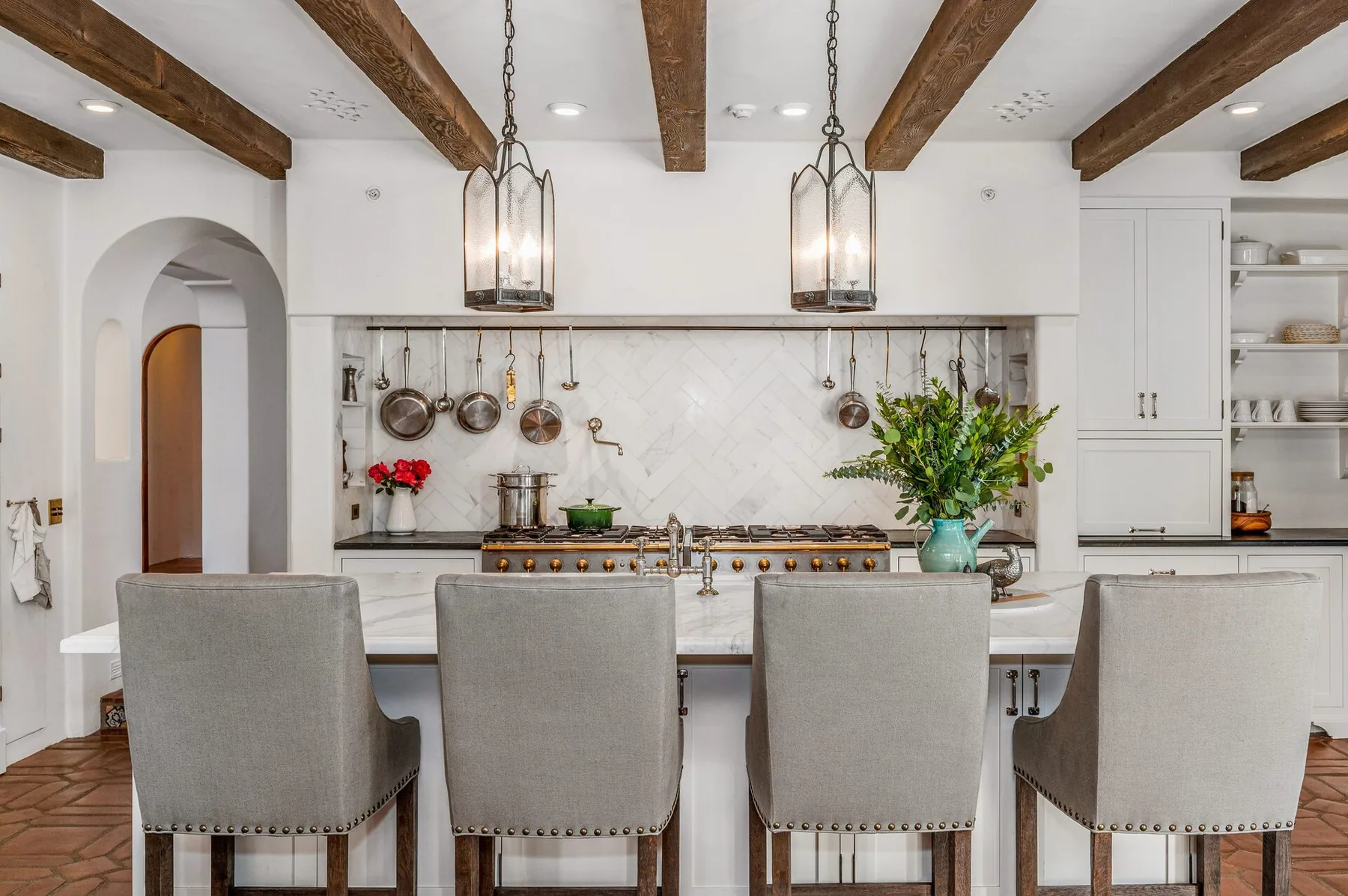
Refresh: $35–$60K
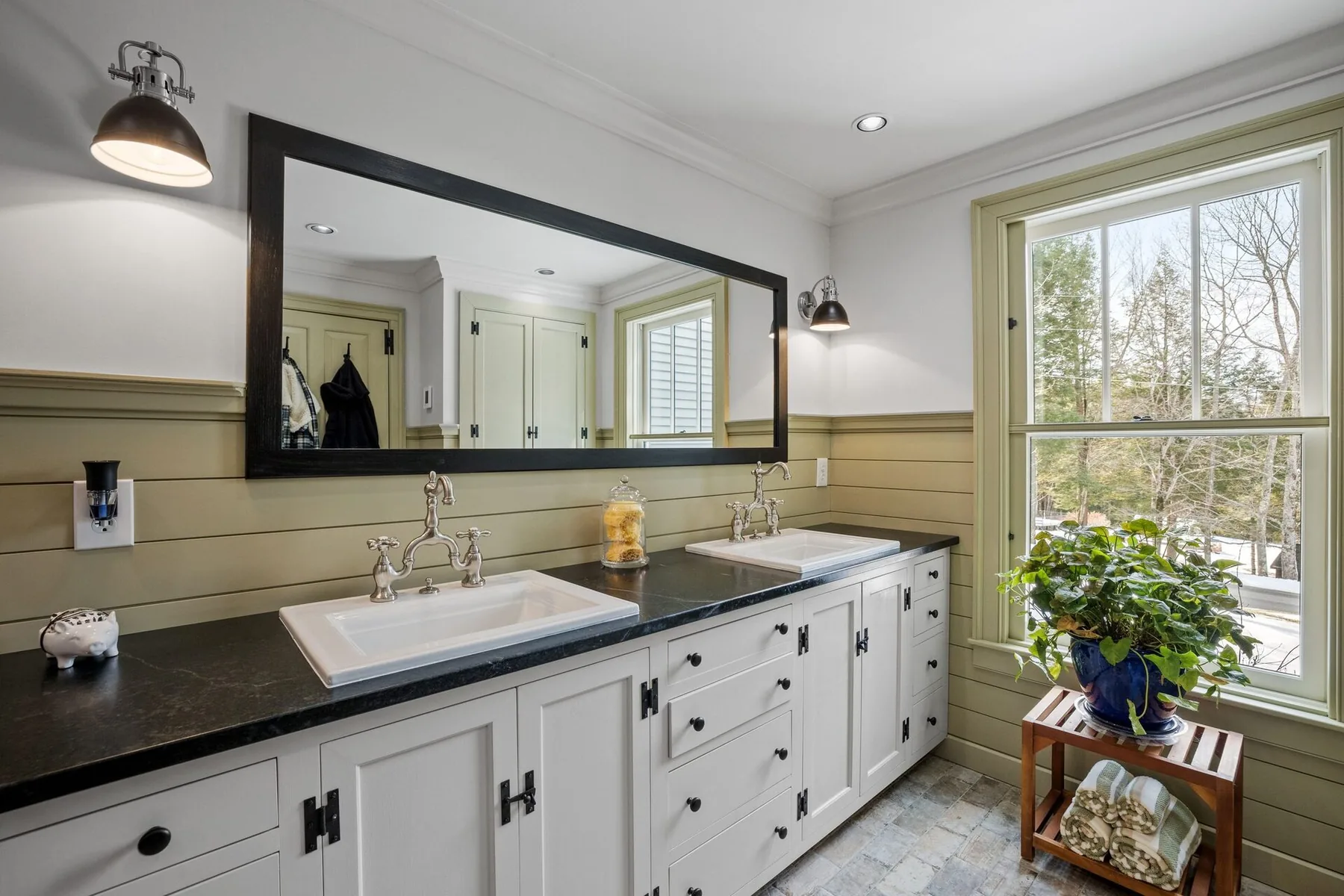
A refresh keeps the existing layout: same cabinet boxes, same counter footprint, same appliance locations. Replace the doors and drawer fronts, retop with quartz, swap the backsplash, repaint, replace fixtures and lighting. New appliances within the existing footprint count as part of the budget, not extra.
The refresh lane works when the cabinet boxes are solid (real plywood, square doors, working drawer slides). It doesn't work if the layout is fundamentally broken or the boxes are particleboard with water damage at the kicks.
Typical refresh timeline: 4–6 weeks from demo to walkthrough, with the kitchen unusable for 3–5 of those weeks.
Mid-scope: $60–$120K
The mid-scope is the most common kitchen remodel in the South Bay: new cabinets, new counters, new appliances, some lighting changes, and one or two minor layout tweaks (bigger pantry, repositioned range, new island). No load-bearing walls move. Plumbing and gas stay roughly in place.
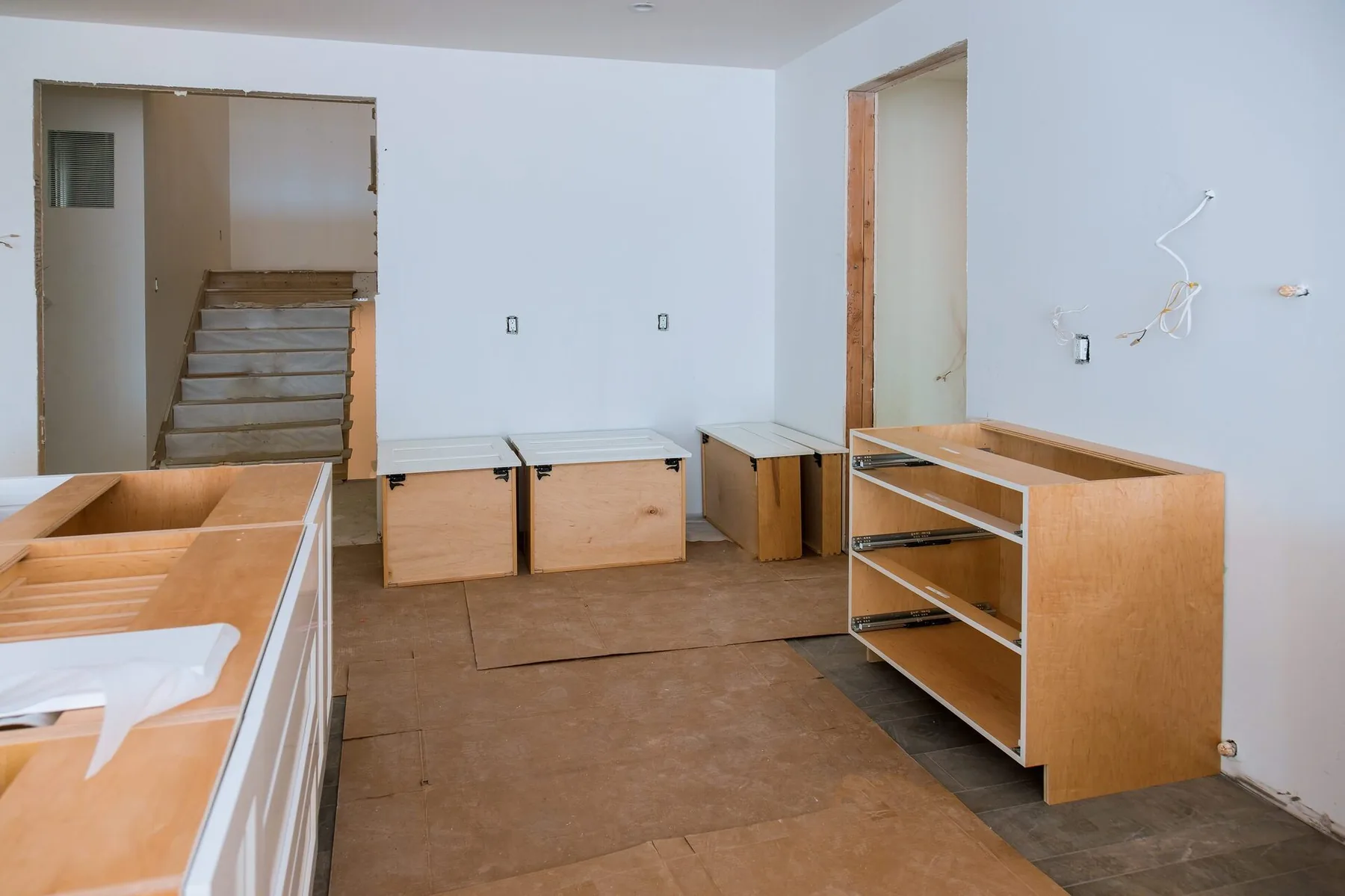
This lane is where cabinet selection drives cost. Semi-custom shop-built cabinets land at $20–$35K for a typical kitchen. Full custom is $35–$60K. Stock big-box cabinets are cheaper but rarely hold up to the daily use a working family kitchen sees.
Typical mid-scope timeline: 6–9 weeks for the build. Cabinet lead times (8–12 weeks from order) often set the schedule, which is why we order during the design phase, not after demo.
Full rebuild: $120K+
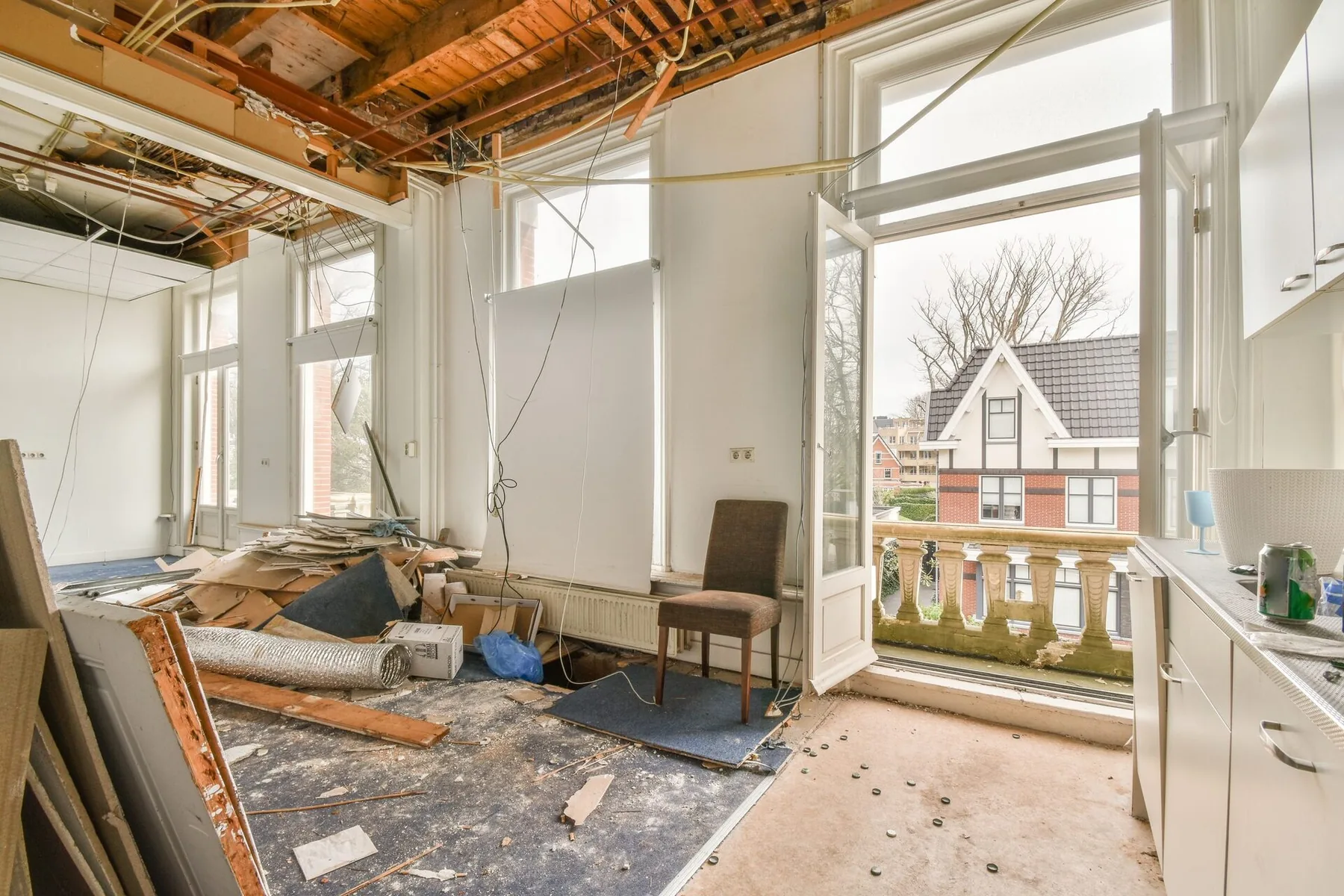
Down-to-studs kitchens involve moving walls, relocating plumbing and gas, restructuring electrical, adding islands with utilities, and often re-engineering ceiling structure for opened-up sight lines. Custom range hoods get ducted properly. Floors get redone underneath.
Premium finishes (full-slab marble or quartzite counters, paneled appliance fronts, hand-glazed tile, integrated lighting) can push a full rebuild to $200K+ without anyone trying. The number lives or dies on selections.
Typical full-rebuild timeline: 10–14 weeks of build, plus 3–6 weeks of design and permit before. The kitchen is offline the entire time.
Cabinet selection: where the budget actually sits
Cabinets are 25–40% of the typical kitchen budget. The three lanes:
- Stock big-box ($8K–$18K): Pre-built boxes in standard sizes. MDF or particleboard construction, basic hardware, limited finish options. Works for rentals and minimal-use kitchens.
- Semi-custom shop-built ($20K–$35K): Real plywood boxes, soft-close drawers, dovetail joinery, dozens of finish options. This is the working-family-kitchen sweet spot. We source from two South Bay shops who deliver in 6–10 weeks.
- Full custom ($35K–$60K+): Every cabinet built to your exact dimensions and specification. Inset hardware, custom species and finishes, hand-applied paint. Worth it for unusual layouts, premium properties, and clients who care about every detail.
The biggest cabinet mistake we see: spending custom money on stock-style boxes. If you're spending $35K, you should be getting plywood, dovetail, and soft-close everywhere.
Counter materials: the real trade-offs
Counter material choice affects budget, maintenance, and longevity in different proportions:
- Engineered quartz ($60–$120/sqft installed): The default for most kitchens. Non-porous, no sealing, looks like marble or stone, holds up to family use. Brand matters: Caesarstone, Silestone, Cambria, and Pental are reliable; budget brands chip at the edges.
- Quartzite ($90–$180/sqft): Natural stone with quartz veins. Harder than granite, similar look to marble, requires sealing annually. Outstanding for premium kitchens.
- Marble ($100–$250/sqft): Soft, porous, stains and etches. Beautiful, but commits the homeowner to a patina-tolerant relationship with the counters. We talk most clients out of marble for the main work surface; reserve it for islands or display areas.
- Butcher block ($30–$80/sqft): Warm, repairable, requires sealing. Works well for islands or specific stations. Doesn't work near sinks unless oil-finished obsessively.
- Concrete or porcelain slab ($80–$200/sqft): Specialty looks, full-slab installation. We use sparingly; they're harder to repair than quartz when something goes wrong.
Appliance allowances and the cost of "pro-style"
The appliance line is where budgets quietly walk away. A typical mid-scope kitchen has a $10K–$15K appliance allowance covering range, fridge, dishwasher, hood, and microwave. Standard reliable mid-tier brands (Bosch, KitchenAid, GE Profile) land inside that envelope.
Step up to a "pro-style" set (Wolf range, Sub-Zero fridge, Miele dishwasher) and the budget doubles to $25K–$40K, sometimes more. Sub-Zero fridges alone start at $9K and run past $18K. A Wolf 36" dual-fuel range is $12K–$15K. These appliances genuinely cook better and last longer, but the price/performance curve flattens hard above the mid-tier line if you're not a serious cook.
Where allowance lines hide
The biggest budget surprises come from line items most homeowners don't read carefully: the appliance allowance (usually $8–$15K, often blown by $5K+), the tile allowance (handmade tile runs 3–5x machined), the plumbing fixture allowance (designer faucets are 4–6x Kohler), and the lighting allowance (decorative pendants alone can hit $4K).
We itemize allowances in writing before signing, with side-by-side options at three price points so you can decide where to spend.
Where homeowners overspend
Common traps worth steering away from:
- Pro-style ranges they don't cook on: A $9K dual-fuel range bought as aspiration, used like a $2K range. If you're not a daily cook, skip it.
- Built-in coffee systems: Almost never used at the volume that justifies the cost. A great countertop machine plus a built-in plumbing line is a fraction of the price.
- Pot fillers: Look great in renderings, used twice a year, leak risk forever.
- Designer faucets: A $1,800 faucet does the same job as a $400 Kohler. The premium pays for brand and finish, not function.
Where homeowners under-spend (and shouldn't)
The categories worth paying up for:
- Drawer slides and hinges: The hardware you touch every day. Spec Blum or Hettich; pay for soft-close everywhere.
- Range hood ducting: A real run to the exterior at the right CFM. Recirculating hoods don't actually vent.
- Under-cabinet lighting: The highest impact-per-dollar upgrade in any kitchen. LED strips on a dimmer transform the room.
- The dishwasher: A great dishwasher (Bosch 800, Miele, Asko) is a quality-of-life upgrade for every meal of every day for 12 years.
- Outlet placement: One outlet every 24 inches at counter height, plus dedicated outlets inside the island. Cheap during the build, painful to add later.
Frequently asked questions
What's the biggest single line item in a kitchen budget?
Cabinets. On a typical mid-scope remodel, cabinetry is 25–40% of the total budget. Cabinet lane (stock, semi-custom, full custom) is the single biggest budget lever.
Can I save money by keeping my existing cabinets?
A refresh keeps cabinet boxes and swaps doors, drawer fronts, hardware, and counters. It works if the boxes are structurally sound (real plywood, level, dry). It doesn't work on particleboard boxes with water damage or on layouts that fundamentally don't function.
What's the difference between a refresh and a mid-scope remodel?
A refresh keeps the layout and cabinet boxes ($35–$60K). A mid-scope replaces cabinets, counters, appliances, and lighting but doesn't move walls or gas ($60–$120K). A full rebuild moves walls, plumbing, and mechanicals ($120K+).
Where do most kitchens go over budget?
Appliance allowances (blown by $5K+ when pro-style catches the homeowner's eye), tile allowances (handmade tile runs 3–5x machined), and plumbing fixture allowances (designer faucets are 4–6x standard). Itemized allowances at three price points in the proposal prevent most of this.