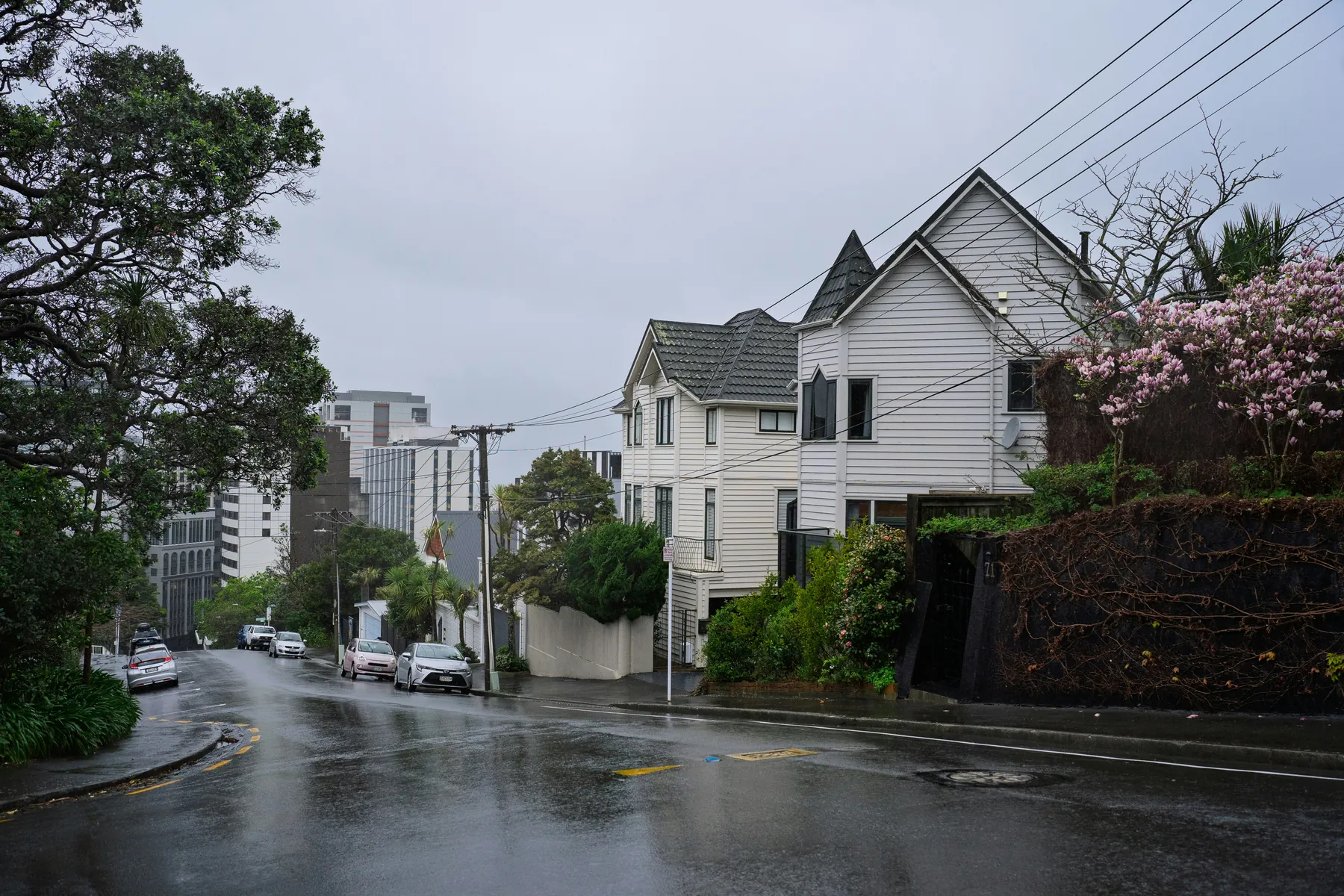
Call your insurer before you hire a contractor after storm damage
Document the damage, then call your insurer before you hire anyone or start any repairs. Take photos or video of every damaged area, and keep damaged items until your adjuster says they can go. The California Department of Insurance says not to start repairs until your insurer's adjuster gives instructions, because an inspection may be needed first. It also suggests asking the adjuster for a benchmark estimate of the repair cost, which gives you a number to compare against contractor bids.
Start a job file right away with contracts, invoices, canceled checks, and a log of every conversation. If someone pushes you to pay a large amount for temporary repairs, slow down. The Department of Insurance warns that those payments can use up money you need for the permanent work.
In September 2026, Governor Newsom declared a statewide state of emergency ahead of the expected El Niño, according to NBC Bay Area. In its October 15, 2026 outlook, NOAA's Climate Prediction Center gave much of California an elevated likelihood of above-normal precipitation this winter, though it also noted a wider range of possible outcomes on the West Coast. A wetter winter raises the odds of storm damage. The Department of Insurance warns that disasters bring door-to-door scam artists and fly-by-night contractors.
How to check a contractor's license in California
California requires a contractor license for work valued at $1,000 or more, labor and materials combined. Ask the contractor for a license number, then look it up at cslb.ca.gov or call the Contractors State License Board (CSLB) at 800-321-2752. Confirm the license is current and in good standing. Ask to see the contractor's pocket license and a photo ID, then compare the name and number against the CSLB record.
The license number has to appear on the contractor's business cards, contracts, and advertisements. Class B is the General Building classification. Anyone who bids on, contracts for, or oversees the work must be licensed, including people who call themselves consultants.
Contractors with employees must carry workers' compensation insurance. Ask for a certificate of insurance and verify it directly with the insurer.
What a home improvement contract must say
Get the agreement in writing and read every line before you sign. CSLB says a home improvement contract needs a detailed description of the work, a detailed payment schedule, a completion date, and written direction on who will get the permits, along with the contractor's name, business address, and license number. Never sign a contract with blank spaces. Collect at least three bids and check references before you choose.
California's contractor down payment limit is $1,000 or 10 percent of the contract price, whichever is less. On a $5,000 contract, 10 percent is $500, so $500 is the most you can be asked for. CSLB notes an exception for contractors who have filed a blanket performance and payment bond with the state, and the contractor's license record shows whether that applies. After the down payment, what you pay cannot exceed the value of the work performed.
A change order is the written record of a change to the contract. Any change to the price or scope has to be in one, signed by you and the contractor before the work happens.
Your right to cancel a contractor contract
You usually have three days to cancel a home improvement contract that was negotiated away from the contractor's place of business. Homeowners 65 and older have five days. To cancel, give written notice that you do not want to be bound by the contract. The contract itself has to tell you about this right.
CSLB's guide to rebuilding after a disaster says homeowners in a declared disaster area have seven business days to cancel, longer than the three or five days above. The declaration decides which addresses are covered, so call CSLB's Disaster Help Center at 800-962-1225 before you count on it.
Warning signs of contractor scams after a storm
The California Department of Insurance and CSLB publish warning signs for repair offers that follow a storm. Treat any of these as a reason to stop and verify before you sign.
- Unsolicited visits: A contractor shows up at your door without being asked, often with high-pressure sales tactics or a story about surplus materials.
- Pressure to decide now: A contractor who demands an answer on the spot is giving you a reason to wait.
- Cash payments: Pay by check or credit card so you have a record. CSLB says never pay in cash.
- Large payments up front: A request for full payment before the work, or a deposit above the legal limit.
- No local presence: The contractor has no office or phone number in your area.
- Vague or low bids: A general estimate, or a bid far below the others you collected.
- Unlicensed consultants: Anyone who bids on or oversees the work has to be licensed.
- Inflated prices: In a declared disaster area, CSLB says raising prices by more than 10 percent is illegal. You can report it to your district attorney, CSLB, or your county rebuilding office.
Permits and inspections for storm damage repairs
Your local building department decides whether a repair needs a permit. Ask who will pull the permits, and put the answer in the contract. CSLB advises confirming that your contractor will get all necessary permits from your local building department, and any project that needs a permit requires a licensed contractor. Even when a contractor says you do not need a permit, double-check with the building department yourself.
At Monte Builders, we pull permits under our own name and coordinate the inspections.
What a proper storm damage repair looks like
Water damage repair starts by finding where the water got in. If the source stays unfixed, the replacement wood gets wet and the damage returns. A sound repair cuts out the damaged material back to solid wood, fixes the leak or flashing detail that let water in, rebuilds the framing or siding, and then restores trim and paint. Our dry rot guide covers early signs and what the repair involves.
When you compare bids, look for the same things in each one: the damaged areas listed by location, the water source identified, the framing and siding work described, and an allowance for hidden conditions, since damage often extends past what you can see. A bid that says "storm repairs" with one number is hard to compare with anything. We handle this work through our repairs service: dry rot and water damage, sub-frame replacement, siding repair, framing fixes, and window and door weather-sealing and threshold rebuilds.
Frequently asked questions
How do I check a contractor's license in California?
Look up the contractor's license number at cslb.ca.gov or call CSLB at 800-321-2752. The record should show a current license in good standing, and the name on it should match the name on your contract and the contractor's photo ID.
How much can a contractor ask for as a down payment?
The limit is $1,000 or 10 percent of the contract price, whichever is less. The exception applies to a contractor with a blanket performance and payment bond on file with the state, which the license record shows.
Can I cancel a contract I signed after storm damage?
Yes, if the contract was negotiated away from the contractor's place of business. You have three days, or five days if you are 65 or older. In a declared disaster area, CSLB says homeowners have seven business days. Call CSLB's Disaster Help Center to find out whether your address qualifies.
Should I call my insurance company before I call a contractor?
Yes. The California Department of Insurance says not to start repairs until your adjuster gives instructions, since an inspection may be needed first. We build and repair homes and do not advise on insurance claims, so confirm the details with your insurer.
Do I need a permit for storm damage repairs?
Your local building department decides. CSLB advises double-checking with it even when a contractor says no permit is needed.
What should I do if a contractor's prices jump after a storm?
In a declared disaster area, CSLB says raising prices by more than 10 percent is illegal, and you can report it to your district attorney, CSLB, or your county rebuilding office. Either way, compare at least three bids line by line.
Request a free estimate
If you have storm damage, request an estimate. Estimates are free, and we reply within one business day. If you are reading this before any damage, our rainy season prep checklist covers what to check first.
We work with homeowners in San Jose, Santa Clara, Mountain View, Los Gatos, Milpitas, and Morgan Hill.